No menu items!
Home Blog Page 4

韩国的紧张协议:中国拿捏特朗普

0

特朗普与习近平最近在韩国举行的峰会,被特朗普本人称为“不可思议”,标志着两国紧张双边关系中出现了一次明显却脆弱的暂时休战。会谈重点是缓和贸易战升级,并处理关键安全议题,为全球市场带来短暂喘息。不过,外交政策和经济专家对这些协议的持久性仍持谨慎怀疑态度。核心协议:战术性降温达成的主要协议体现了一次战略性缓和,旨在缓解经济摩擦中最激烈的热点:

  • 关税削减与贸易休战:美国同意降低对中国进口商品的关税(整体从57%降至47%,与芬太尼相关的特定产品从20%降至10%),而中国则承诺进行对等关税调整,并暂停一年新的港口收费以及稀土矿产出口管制。
  • 农产品贸易与芬太尼:中国同意恢复大规模采购美国大豆及其他农产品。在安全领域,习近平承诺加强对流向美国的芬太尼前体化学品管制。
  • 乌克兰合作:双方同意在乌克兰战争问题上“共同努力”,但并未披露具体的和平机制细节。

与其说这是长期结构性协议,不如说是一次“临时休战”。地缘政治后果与专家观点这次会晤对中国而言是一次战术成功:避免了经济进一步动荡,并赢得时间强化自身技术与产业替代方案。对特朗普来说,则强化了他“强硬谈判者”的形象,尽管许多人质疑美国获得的结构性利益究竟有多深。

  1. 全球稳定 vs. 潜在摩擦:虽然关税休战短暂提振了全球贸易乐观情绪,但中美之间的战略竞争——专家眼中最大的地缘政治威胁——并未改变。台湾、高端技术主导权(尤其是半导体与AI芯片)以及知识产权等敏感议题,要么未获解决,要么被排除在公开议程之外。对台湾的刻意回避,凸显了双方都不愿触碰的红线,尽管中国对岛屿的军事压力仍是区域不稳定的重要来源。
  2. 稀土“武器”:中国暂停稀土出口限制——这些对科技和国防产业至关重要的战略矿产——是其做出的最重大让步,缓解了全球供应链的担忧。这也暴露了西方对中国的依赖脆弱性,以及北京将这一优势转化为地缘政治杠杆的潜力。
  3. 特朗普的不可预测性:美国亚洲盟友和国际社会最担心的,仍是特朗普谈判风格的难以捉摸。这些协议由总统单方面宣布,缺乏详细的联合声明,这加剧了人们对其执行力和持久性的不确定,尤其在美国国内政治可能发生变化的背景下。

总之,这次峰会是一次务实的外交操作,旨在短期内转移对抗,让两大强国在贸易战中稍作喘息。然而,定义中美竞争的深层紧张不仅没有消失,反而被暂时掩盖,使得全球地缘政治平衡处于一种高度紧张的缓和状态。

Tense Deal in Korea: China Keeps Trump in Check

0

The recent summit between Donald Trump and Xi Jinping in South Korea got the ultimate Trump stamp of approval: “incredible.” It delivered a tangible but shaky ceasefire in the rocky US-China relationship. The talks zeroed in on dialing down the trade war escalation and tackling critical security flashpoints, giving global markets an immediate breather. Still, foreign policy and economic analysts are keeping their skepticism on a tight leash when it comes to how long this deal will actually last.Key Deals: A Tactical De-escalationThe main outcomes amount to a strategic pullback aimed at cooling the hottest friction points in the economic showdown:

Tariff Cuts and Trade Truce: The US agreed to lower tariffs on Chinese imports — dropping the general rate from 57% to 47%, and slashing the fentanyl-related slice from 20% to 10%. In return, China committed to reciprocal tariff adjustments and a one-year suspension of new port fees plus export controls on rare earth minerals.

Agricultural Trade and Fentanyl: Beijing pledged to restart “massive” purchases of US soybeans and other farm goods. On the security front, Xi promised tighter controls on the flow of fentanyl precursor chemicals heading to the United States.

Cooperation on Ukraine: Both leaders said they would “work together” on ending the war in Ukraine, though no concrete peace-building mechanism was spelled out.

At the end of the day, this feels more like a short-term timeout than a deep, structural reset.

For China, the meeting counts as a clear tactical win: it dodges deeper economic disruption and buys valuable time to shore up its own tech and industrial alternatives. Trump gets to burnish his “tough negotiator” brand by touting concessions won, even if plenty of observers question how much lasting structural benefit the US actually secured.Global Stability vs. Lingering Fault Lines: The tariff truce injected a quick shot of optimism into world trade, but the underlying strategic competition between the US and China — still seen as the biggest geopolitical risk — remains untouched. Hot-button issues like Taiwan, cutting-edge tech dominance (especially semiconductors and AI chips), and intellectual property barely got mentioned or stayed off the public agenda. The deliberate silence on Taiwan highlights the red line neither side wanted to cross, even as Chinese military pressure on the island continues fueling regional jitters.

The Rare Earth “Weapon”: China’s decision to suspend export restrictions on rare earths — those critical minerals powering everything from EVs to defense systems — stands as its biggest concession. It eases immediate global supply chain headaches and underscores just how dependent the West has become, while reminding everyone of Beijing’s potent leverage in these strategic materials.

Trump’s Unpredictability Factor: Asian allies and the broader international community remain most worried about Trump’s erratic negotiating style. The deals were rolled out unilaterally by the president without a detailed joint statement, feeding doubts about implementation and durability — especially against the backdrop of shifting US politics.

In conclusion, the Busan summit was a pragmatic diplomatic maneuver to kick the confrontation down the road and let both superpowers catch their breath in the trade war. Yet the deep tensions that define the US-China rivalry haven’t gone away — they’ve just been papered over for now, leaving the global geopolitical balance in a state of uneasy, high-stakes détente.

农业大罢工:背后是与美墨加协定的较量

0

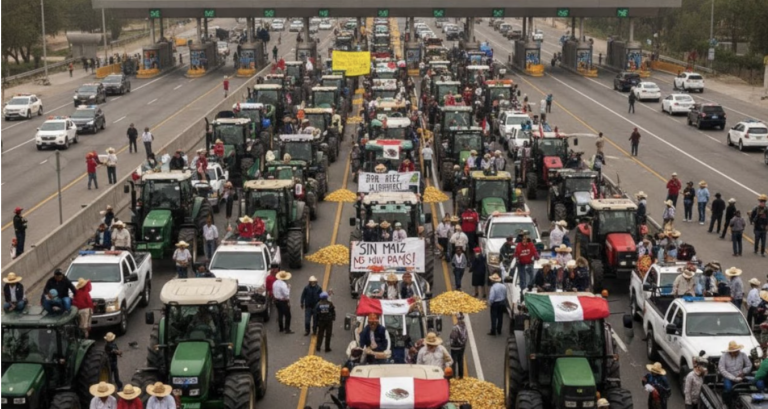
2025年10月底发起的全国农业罢工演变为一场大规模动员,严重堵塞了全国主要物流干道,尤其是在瓜纳华托、米却肯和哈利斯科等粮食主产州。由农民农业运动在20个州共同号召,这次行动直接针对玉米——墨西哥基本粮食作物——价格的灾难性暴跌。在罢工前三年,玉米价格已下跌超过50%。

农民提出的统一且不可谈判的核心诉求是:为玉米设定7200比索/的保障价格。他们认为这是覆盖生产成本的最低底线,而成本因农资价格暴涨和近年干旱而急剧上升。

墨西哥政府则提议将玉米最低价格定为6050比索/。这一数字被农民斥为“嘲讽”和“对墨西哥农村的侮辱”,他们指出该方案既无法弥补实际生产成本,也无法补偿此前因农资上涨和干旱造成的累积损失。

这场罢工是墨西哥自后北美自由贸易协定时代以来积累的结构性危机的鲜明症状。在新自由主义框架下通过的《美墨加协定》(T-MEC),让墨西哥的粮食主权沦为空洞的口号,完全屈从于由协定条款和芝加哥期货交易所主导的市场逻辑。

根本诊断是:尽管第四次转型(4T)政府高举进步主义旗帜,但在宏观经济政策上却延续了90年代结构调整以来的部门中立路线。危机根源在于缺乏有效手段抵御外国补贴,以及关键公共政策工具的长期废弃。

现政府被指责将巨型基础设施工程置于基本生产之上。当农民要求保障收入安全时,预算却大幅转向玛雅火车等项目。预算分析显示,要恢复农民目标收入并提供确定性,农业部门大约需要100亿至120亿比索的投资,而政府却把更多资金投入到并非迫切的展示性工程中。

一些专家认为,解决方案不能停留在临时区域协议上,而必须进行深层变革:将基本玉米排除出《美墨加协定》,并重建农村发展政策,恢复发展银行功能和目标收入机制。

如果Claudia Sheinbaum政府继续把旅游和开发主义基础设施置于农村生存能力之上,那么可以预见:农业冲突将进一步激化,并在未来几个月持续推高农畜产品通胀。这场危机的持续存在,将迫使社会展开一场无法回避的辩论——关于重新夺回经济自主权和生产主权。这些议题,将真正决定第四次转型的稳定性和其实际的意识形态走向。

Agricultural Strike: A Fight with the USMCA Looming in the Background

0

The National Agricultural Strike called for late October 2025 turned into a massive mobilization that choked the country’s main logistical arteries — especially in key grain-producing states like Guanajuato, Michoacán, and Jalisco. Called by the Peasant Agricultural Movement across 20 states, the shutdown was a direct response to the unsustainable collapse in corn prices. Mexico’s staple crop saw its value drop more than 50% in the three years leading up to the strike.
Farmers’ unified, non-negotiable demand was crystal clear: a guaranteed price of 7,200 pesos per ton of corn — the bare minimum they say is needed to cover skyrocketing production costs driven by expensive inputs and recent droughts.
The Mexican government countered with a minimum price of 6,050 pesos per ton. Producers immediately dismissed it as a “joke” and a straight-up “insult to the Mexican countryside,” arguing that the offer didn’t come close to covering real costs or the heavy losses they’ve already absorbed.
This strike is a symptom of a much deeper structural crisis Mexico has been dragging since the post-NAFTA era. The harsh takeaway from this neoliberal setup — sealed through the USMCA — is that Mexico’s food sovereignty remains little more than empty rhetoric, completely subordinated to market rules dictated by the USMCA and the Chicago Board of Trade.
At its core, the diagnosis is that despite its progressive talk, the 4T government has stuck to a sectorally neutral macroeconomic policy inherited from the 1990s structural adjustments. The crisis is fueled by the lack of real protection against foreign subsidies and the abandonment of key public policy tools.
The current administration stands accused of prioritizing flashy mega-infrastructure projects over basic food production. While farmers beg for income security, budget priorities have shifted toward projects like the Maya Train. Budget analysis shows the sector needs roughly 10 to 12 billion pesos to restore target incomes and bring certainty back to the fields — yet the government is pouring far more money into non-urgent showcase projects.
According to some experts, the fix won’t come from short-term regional deals. It demands a profound transformation: taking basic corn out of the USMCA entirely and rebuilding a genuine rural development policy that brings back development banking and guaranteed target incomes.
If Claudia Sheinbaum’s government keeps putting tourist and developmentalist infrastructure ahead of the countryside’s viability, the outlook is clear: agrarian conflicts will intensify, driving sustained spikes in agricultural inflation in the coming months. The longer this crisis drags on, the more urgent the debate becomes over reclaiming economic autonomy and productive sovereignty — issues that will ultimately define the real stability and ideological direction of the 4T project.

“水量行动”:Harfuch与Delfina对决饮用水“油盗”

0

墨西哥州检察院(FGJEM)与联邦安全内阁联合推出的“水量行动”(Operación Caudal),揭开了在墨西哥谷地区,打击有组织犯罪、关键资源管理与社会稳定之间错综复杂的博弈。
那些涉嫌由犯罪网络(部分以社会组织或工会为幌子)运营、可能还有地方当局暗中配合的偷接管道和非法水井,把水资源短缺变成了高利润的非法生意。这种现象不仅从数千家庭、学校和医院手中抢走了维持生命的资源,更加速了整个区域的水文崩溃。通过在墨西哥州48个市关闭水井、查扣数百辆水罐车,“水量行动”展现了国家收复水利基础设施控制权的必要且强硬姿态。

饮用水的“油盗”:已上升为国家安全问题

非法偷水和黑井由犯罪团伙操控(部分披着社会组织外衣),并疑似有官员勾结,将缺水危机变成了社会影响巨大的地下经济。“水量行动”关闭水井、没收水车,正是国家试图夺回水利系统控制权的实质行动。

水车司机反击:断供、瘫痪与堵塞

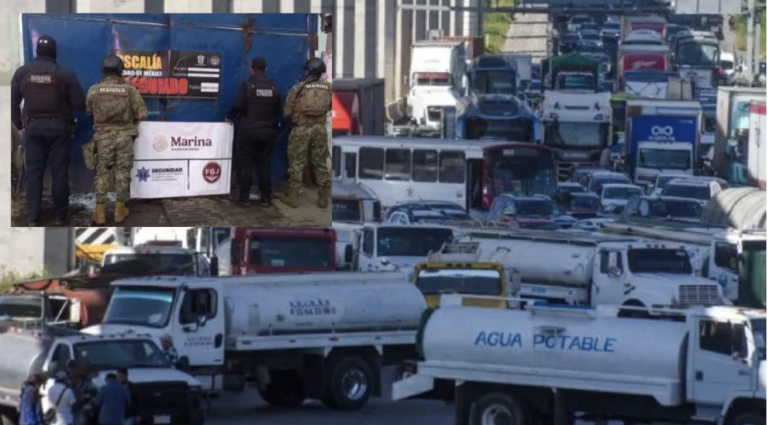
政府的行动立刻引发了强烈反弹:水车司机(piperos)在进入墨西哥谷和墨西哥城的主要通道发动大规模封锁。虽然这次抗议源于他们的供水来源(无论合法与否)被切断,但堵路行为造成了严重的交通混乱,而且讽刺的是,进一步加剧了那些完全依赖水车供水的地区的缺水危机。

水车司机辩称,“水量行动”不分青红皂白,把合法经营者和犯罪团伙一锅端,砸了他们的饭碗,也让民众喝不上水。然而,封锁行动的规模和组织程度显示出一种强大的动员能力——无论有意还是无意,都在对国家干预这个暴利行业做出强势回应。这也凸显了水务领域中,从非正规到彻底违法的复杂利益链条。

打击饮用水“油盗”本身无可争议,这是水资源正义和公共安全的底线。但“水量行动”的执行方式却在两个层面受到批评:

缺乏应急预案: 大规模关闭装水点(无论合法与否),却没有明确的应急供水方案,这是一个战略失误。它把行动的代价直接转嫁给了普通民众,也为水车司机的社会施压创造了完美条件。墨西哥州工业联盟也批评这次“打击”缺乏渐进性。

胁迫风险与不必要妥协: 墨西哥城入口的瘫痪正在考验政府的决心。如果当局在压力下让步,未经彻底审计就重新开放水井,或无法确保完全合法性,就等于向外界传递一个危险信号:堵路和胁迫是可以有效对抗国家安全行动的工具。对水盗的法律打击必须坚定不移,而解决缺水问题则应通过透明的替代渠道来保障。

总之,联合打击饮用水“油盗”是瓦解犯罪网络、保护关键资源的重要一步。然而,面对封锁,需要双管齐下的应对:一方面在执法上保持强硬,绝不向街头勒索低头;另一方面推出紧急供水策略(包括与合法水车司机对话,并公开被关闭水井的信息),避免让普通民众成为受害者。水资源的争夺,如今也成了对领土控制权和法治底线的较量。

Operation “Caudal”: Harfuch and Delfina Take On the Water Huachicol

0

The “Operation Caudal” launched by the Mexico State Attorney General’s Office (FGJEM) in coordination with the Federal Security Cabinet has laid bare the messy intersection between fighting organized crime, managing essential resources, and keeping social stability in the Valley of Mexico.

Clandestine taps and illegal wells — allegedly run by criminal networks (some hiding behind social organizations or unions) and possibly with the help of corrupt officials — have turned water scarcity into a highly profitable illicit business. This isn’t just stealing a vital resource from thousands of families, schools, and hospitals; it’s actively speeding up the region’s hydrological collapse. By shutting down wells and seizing hundreds of water trucks across 48 municipalities in the State of Mexico, Operation Caudal marks a necessary, no-nonsense move by the state to regain control over critical water infrastructure.

The Water Huachicol: Now a National Security Issue

Those same illegal taps and wells, operated by criminal rings with possible official complicity, have transformed a basic survival problem into a shadow economy with massive social costs. The operation’s raids — closing wells and impounding tanker trucks — represent a serious attempt to claw back control of the hydraulic system from organized theft.

The Pipers Strike Back: Shortages, Gridlock, and Chaos

The backlash was fast and brutal: massive blockades by water truck drivers (“piperos”) at key access points into the Valley of Mexico and Mexico City. While the protest stems from the sudden cutoff of their supply — whether legal or not — it has created major traffic chaos and, ironically, worsened the very water shortages hitting neighborhoods that rely entirely on tanker deliveries.

The pipers claim Operation Caudal is blindly punishing legitimate operators alongside the criminals, stripping away their livelihoods and leaving people without water. But the scale and coordination of the blockades reveal a powerful mobilization muscle — intentional or not — that flexes hard against any state crackdown on what has become an extremely lucrative informal business. It exposes the tangled web of players profiting from water-sector informality and outright illegality.

Fighting water huachicol is non-negotiable — it’s about water justice and public safety. Still, the rollout of Operation Caudal has drawn legitimate criticism on two fronts:

Lack of Contingency Planning: Shutting down dozens of loading points (legal or otherwise) without a clear emergency supply plan was a strategic blunder. It instantly dumped the cost of the operation onto ordinary citizens and handed the pipers the perfect conditions to apply maximum social pressure. The State of Mexico’s Industrial Union has also called out the lack of a gradual approach in this “full-frontal assault” on water theft.

Risk of Coercion and Unnecessary Negotiation: The paralysis of Mexico City’s entrances tests the government’s resolve. If authorities blink and reopen wells without thorough audits or ironclad legality guarantees, they’ll send the dangerous message that road blockades and coercion actually work to roll back security measures. The legal crackdown on huachicol must stay firm and immovable, while emergency water supply needs to be handled through transparent alternative channels.

In the end, the joint operation against water huachicol is a crucial step toward dismantling criminal networks and protecting a life-essential resource. But the blockades demand a two-track response: unwavering enforcement of the law so that street blackmail isn’t rewarded, paired with a smart emergency distribution strategy (including dialogue with legitimate pipers and full transparency on closed wells) to avoid punishing everyday citizens. The battle for water has now become a battle for territorial control and the defense of the rule of law.

不要国王!美国民间社会对特朗普威权主义的呼声

0

这远不止是一场普通的政治不满示威。“不要国王”运动已经凝聚成一场捍卫美国共和国建国原则的存在主义抵抗,针对组织者和参与者眼中前所未有的威权滑坡与权力滥用。

“不要国王”策略的核心,是其坚定不移的非暴力承诺。组织者定下了一条明确铁律:参与者必须主动“去升级任何可能与价值观不同者发生的冲突,并在活动中严格守法”。此外,活动严禁携带“任何类型的武器,包括合法持有的”。

10月18日的动员规模惊人,展现了基层强大的组织能力。据组织者统计,这次抗议在全美50个州、华盛顿特区以及海外多座城市协调了超过2700活动,总参与人数超过700——是特朗普两次就职典礼总人数的14倍。

“不要国王”运动的成功,在于它能把极度多元的反对力量团结在同一个意识形态大旗下——从生殖权利和气候活动家,到工会与移民社区——共同对抗威权主义。

这个口号的力量,来自它的极简和深刻的宪法共鸣。通过指责总统像国王一样行事,运动把辩论从党派政治拉到了共和主义原则的高度。抗议标语强调了这一抵抗的历史根源:“自1776年以来就没有国王”。

白宫和共和党领袖试图将运动描绘成极端主义和暴力行为。随着抗议持续,尤其是在加州与移民突击行动相关的城市,特朗普选择升级态势,调派联邦力量。他下令向洛杉矶等城市派遣4000名国民警卫队700名海军陆战队员

联邦军队的部署与地方当局产生了剧烈摩擦,直接暴露了美国宪法制衡与联邦主义体系的脆弱性。加州民主党籍州长加文·纽森和洛杉矶市长凯伦·巴斯强烈批评特朗普的命令,指出这一部署完全没有咨询地方官员。他们称此举“过度”且“挑衅”。地方官员强调,大多数示威者是和平的,当地警方完全有能力控制局面,而联邦军队的出现只会“点燃本已一触即发的局势”。

“不要国王”运动已成为全球进步主义的重要参照系,是对抗威权右翼浪潮的本土抵抗典范。联邦权威与州自治之间的拉锯战——以民主党州长们的冲突为缩影——正是当下美国制度健康程度的最严峻考验。只要制度制衡还能阻止单方面的军事强加,“独裁”的诊断就仍停留在动员性的修辞层面,但紧张局势正在危险地不断升级。“不要国王”不是冲突的终点,而是为未来政治周期筑牢了战场前沿。

No Kings! The American uprising against Trump’s authoritarian drift

0

It’s way more than just another political protest. The “No Kings” movement has crystallized as an existential stand to defend the core founding principles of the American republic against what organizers and participants see as an unprecedented slide into authoritarianism and raw abuse of power.

A cornerstone of the “No Kings” strategy is its ironclad commitment to non-violence. Organizers set a crystal-clear ground rule: participants must actively “de-escalate any potential confrontation with people who don’t share our values and stay strictly legal at every event.” They also imposed a total ban on bringing “any kind of weapons, including those legally permitted.”

The October 18 mobilization was massive in scale, showcasing an impressive bottom-up organizing muscle. According to organizers, the protests coordinated over 2,700 events across all 50 states, Washington D.C., and even spilled into international cities — drawing more than 7 million people in total. That’s 14 times the combined attendance of both of Donald Trump’s inaugurations.

The real power of “No Kings” lies in its ability to unify an incredibly diverse opposition base — from reproductive rights and climate activists to labor unions and migrant communities — under one single ideological roof: the fight against authoritarianism.

The slogan’s strength comes from its brutal simplicity and deep constitutional resonance. By calling out the president for acting like a king, the movement shifts the conversation away from partisan squabbles and into the realm of core republican principles. Protest signs hammered the historical root: “No Kings Since 1776.”

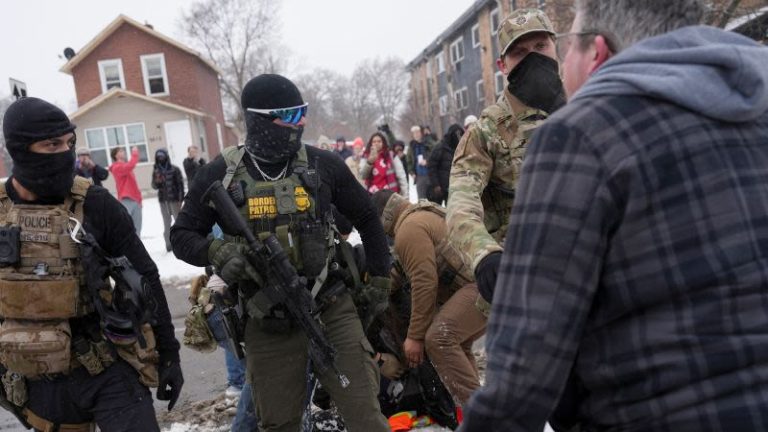
The White House and GOP leaders tried to paint the movement as extremist and violent. When the protests persisted — especially in cities tied to immigration raids in California — Trump doubled down by deploying federal forces. He ordered 4,000 National Guard troops and 700 Marines into cities like Los Angeles.

That federal military deployment sparked intense friction with local authorities, laying bare the fragility of constitutional checks and American federalism. California’s Democratic Governor Gavin Newsom and Los Angeles Mayor Karen Bass slammed Trump’s order, saying it was made without any consultation with local officials. They called it “disproportionate” and “provocative.” Local leaders argued that most protesters were peaceful, that city police had things under control, and that bringing in federal troops only served to “inflame an already volatile situation.”

The “No Kings” movement has become a vital reference point for global progressivism — a powerful example of internal resistance to the rising wave of authoritarian right-wing politics. The showdown between federal power and state autonomy, embodied in the clash with Democratic governors, is perhaps the clearest stress test of American institutions right now. As long as institutional guardrails manage to block unilateral military imposition, labeling it a full-blown “dictatorship” remains a mobilizing hyperbole — but the tension keeps ratcheting up dangerously. “No Kings” isn’t the end of the conflict; it’s the solidification of the battle lines for the political fights ahead.

ICE: El Boomerang Imperial Asesino

0

ICE se ha convertido en una Gestapo moderna, donde agentes disparan a civiles desarmados —como Renee Nicole Good en Minneapolis— o asfixian detenidos, como Geraldo Lunas Campos, cuya muerte fue catalogada homicidio. Más de 32 personas han fallecido en custodia y cuatro han sido ejecutadas. Sus centros de detención masiva, como Camp East Montana, son reminiscentes a los campos de concentración Nazi. Estas no son anomalías, sino síntomas de un sistema diseñado para deshumanizar al “otro” racializado, eco de prácticas coloniales que regresan al corazón del imperio.

El paralelismo con autoritarismos históricos es inescapable: ICE es el aparato represivo fascista del presidente Donald Trump: hace redadas nocturnas, desapariciones en prisiones privadas y ejecuciones extrajudiciales que recuerdan los escuadrones de la muerte latinoamericanos respaldados por Estados Unidos. El imperio, al exportar violencia, refina métodos que luego domestica contra sus propios marginados.

La teoría del Imperial Boomerang, acuñada por Aimé Césaire y desarrollada por Hannah Arendt, explica esta dinámica: las técnicas de control colonial —tortura, vigilancia masiva, campos de detención— ejercidas por el imperio sobre sus colonizados retornan al centro del mismo imperio como represión interna. Lo que EU perfeccionó en Filipinas, Vietnam o Irak —militarización policial, contrainsurgencia racializada— ahora se aplica en Minneapolis o Los Ángeles contra inmigrantes y disidentes. El imperio corroe la democracia doméstica hasta convertirla en dictadura militarizada.

Este boomerang acelera la decadencia estadounidense: un imperio sobreextendido, con presupuestos inflados para ICE que superan a todas las agencias federales combinadas, mientras la economía se hunde por tarifas y guerras proxy. El apoyo incondicional a Israel —otro etnoestado represivo— y la represión de protestas internas reflejan un agotamiento moral y material, donde el dólar cae y aliados se alejan, señalando un colapso similar al de imperios previos que priorizaron fuerza sobre diplomacia.

La expansión de más de 200 centros de detención, muchos en bases militares como Fort Bliss —sitio de internamiento japonés en la Segunda Guerra—, evoca los gulags o los lager nazis, donde la burocracia ocultaba asesinatos bajo eufemismos como “fallecimiento por causas naturales”.

La decadencia se manifiesta en la pérdida de legitimidad: protestas masivas contra ICE, rechazo global al excepcionalismo yanqui y crisis interna donde la represión genera más resistencia.

El boomerang seguirá golpeando, acelerando el tránsito americano de república a estado autoritario fallido.
Solo una resistencia organizada —patrullas comunitarias contra redadas, protestas masivas, desobediencia civil— puede interrumpir esta trayectoria mortal. Abolir ICE no es utopía, sino urgencia histórica: el imperio que mata en nombre de la “seguridad” termina devorándose a sí mismo, confirmando que la verdadera amenaza no viene de afuera, sino desde aquellos que detentan el poder.

El escudo de Trump protege a los pedófilos de élite de Israel

0

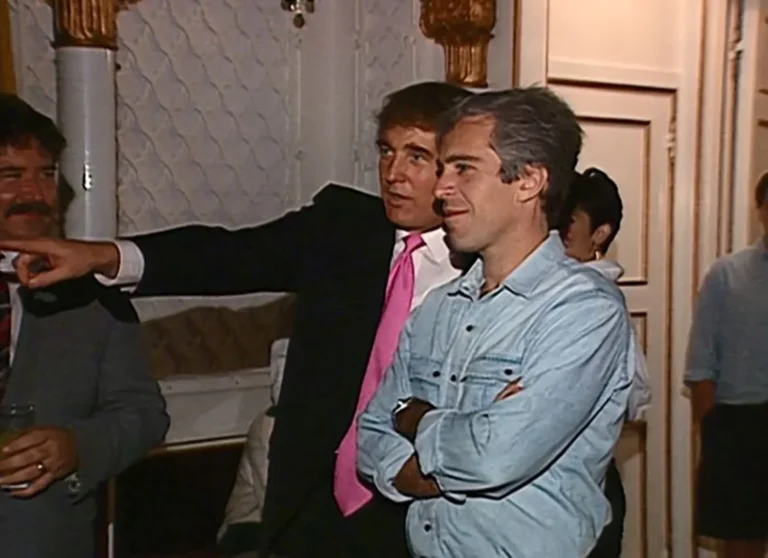
Donald Trump y Jeffrey Epstein compartieron años de fiestas y tratos en Nueva York. Trump lo llamó amigo cercano en 2002, voló en su jet y visitó su mansión. Emails liberados esta semana muestran a Epstein afirmando que Trump sabía de las chicas menores. Trump pasó horas allí con una víctima, según los mensajes. Esto no es rumor: son documentos del Congreso. La Casa Blanca lo llama “ataque sucio”, pero ignora el patrón de silencio.

Los emails de noviembre de 2025 revelan a Epstein como consejero de élites. Mencionó a Trump decenas de veces en intercambios privados. Epstein escribió que Trump conocía su operación de tráfico sexual. Incluye detalles de reuniones en Mar-a-Lago y favores mutuos. No hay negación real de Trump, solo desvíos. Esto expone cómo el poder protege a los suyos, incluso en la presidencia.

Epstein operaba una red de chantaje con cámaras ocultas en su isla. Sus lazos con Israel van más allá de visitas: era un activo de inteligencia. Robert Maxwell, padre de Ghislaine, era agente del Mossad, enterrado con honores en Jerusalén. Epstein heredó esa red para atrapar a líderes mundiales. Usaba menores para grabar compromisos políticos. Esto servía a agendas israelíes en Washington.

Ehud Barak, ex primer ministro israelí, visitó a Epstein 36 veces entre 2013 y 2017. Emails hackeados este año muestran a Epstein negociando ventas de spyware Pegasus para Barak. Barak pedía favores a Clinton vía Epstein para indultar a un espía Mossad. Se reunieron mensualmente en 2016, discutiendo Irán y Siria. Barak niega abusos, pero admite las visitas. Esto es influencia directa en política exterior de EU.

Shimon Peres presentó a Barak a Epstein en los 90. Peres, otro ex premier, usó fondos de Epstein para causas pro-Israel. Ehud Olmert, tercer premier ligado, aparece en listas de asociados de Epstein en las Islas Vírgenes. Netanyahu compartió un artículo esta semana sugiriendo lazos de Epstein con inteligencia israelí. Cuatro primeros ministros enredados: no es coincidencia, es un patrón de control.

Trump prometió liberar todos los archivos de Epstein en campaña. Ahora, como presidente, los bloquea. Congresistas como Burchett y Massie dicen que es para proteger a Israel. Trump ataca a republicanos que piden transparencia, como Greene y Massie, por criticar ayuda ilimitada a Tel Aviv. Envía miles de millones a Netanyahu mientras Gaza sufre. Esto prioriza lealtades extranjeras sobre justicia americana.

La red Epstein-Israel moldea la política de EU hacia Medio Oriente. Epstein aconsejaba a Bannon y Barak sobre guerras en Siria e Irán, siempre hawkish. Sus emails promueven ventas de armas y ciberespionaje israelí. Trump sigue esa línea: más fondos para bombas, menos para verdad. Esto debilita la soberanía americana, convirtiendo a Washington en peón de Tel Aviv.

Exigimos los archivos completos ahora. Trump debe elegir: América o sus deudas ocultas. La opacidad protege pedófilos y espías, no votantes. Si ignora esto, pierde credibilidad. La gente ve los lazos: Epstein no era solo un rico sucio, era una herramienta geopolítica. Hora de romper el ciclo, o el establishment gana de nuevo.