No menu items!
Home Blog

El escudo de Trump protege a los pedófilos de élite de Israel

0

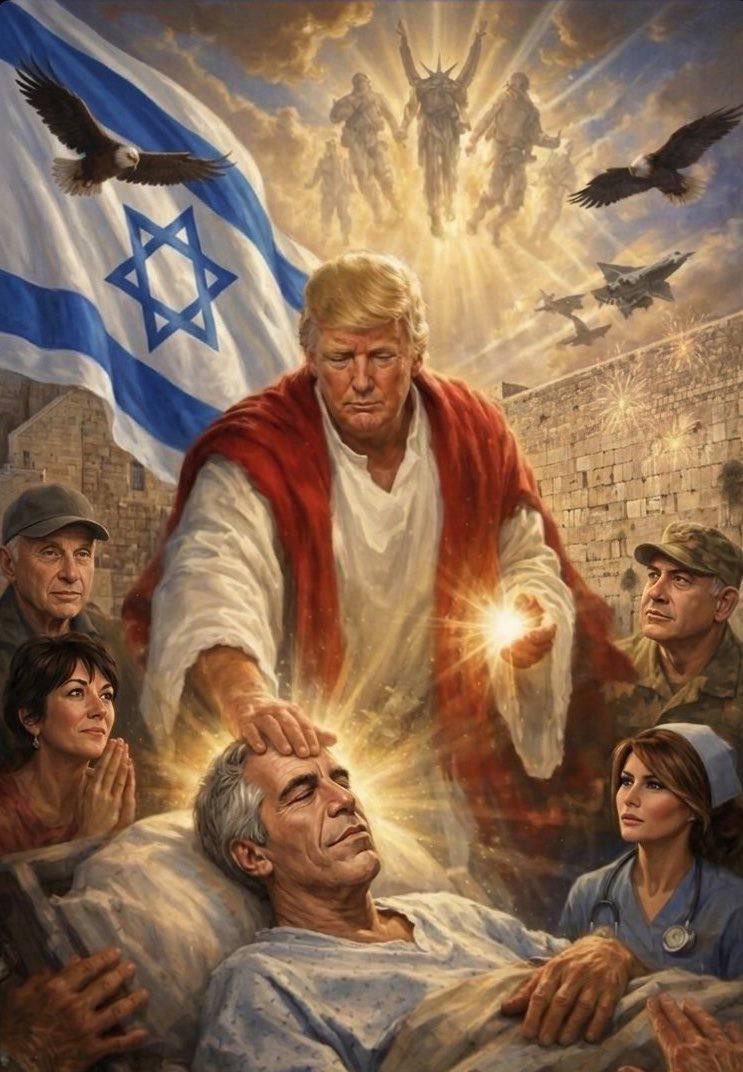
Donald Trump y Jeffrey Epstein compartieron años de fiestas y tratos en Nueva York. Trump lo llamó amigo cercano en 2002, voló en su jet y visitó su mansión. Emails liberados esta semana muestran a Epstein afirmando que Trump sabía de las chicas menores. Trump pasó horas allí con una víctima, según los mensajes. Esto no es rumor: son documentos del Congreso. La Casa Blanca lo llama “ataque sucio”, pero ignora el patrón de silencio.

Los emails de noviembre de 2025 revelan a Epstein como consejero de élites. Mencionó a Trump decenas de veces en intercambios privados. Epstein escribió que Trump conocía su operación de tráfico sexual. Incluye detalles de reuniones en Mar-a-Lago y favores mutuos. No hay negación real de Trump, solo desvíos. Esto expone cómo el poder protege a los suyos, incluso en la presidencia.

Epstein operaba una red de chantaje con cámaras ocultas en su isla. Sus lazos con Israel van más allá de visitas: era un activo de inteligencia. Robert Maxwell, padre de Ghislaine, era agente del Mossad, enterrado con honores en Jerusalén. Epstein heredó esa red para atrapar a líderes mundiales. Usaba menores para grabar compromisos políticos. Esto servía a agendas israelíes en Washington.

Ehud Barak, ex primer ministro israelí, visitó a Epstein 36 veces entre 2013 y 2017. Emails hackeados este año muestran a Epstein negociando ventas de spyware Pegasus para Barak. Barak pedía favores a Clinton vía Epstein para indultar a un espía Mossad. Se reunieron mensualmente en 2016, discutiendo Irán y Siria. Barak niega abusos, pero admite las visitas. Esto es influencia directa en política exterior de EU.

Shimon Peres presentó a Barak a Epstein en los 90. Peres, otro ex premier, usó fondos de Epstein para causas pro-Israel. Ehud Olmert, tercer premier ligado, aparece en listas de asociados de Epstein en las Islas Vírgenes. Netanyahu compartió un artículo esta semana sugiriendo lazos de Epstein con inteligencia israelí. Cuatro primeros ministros enredados: no es coincidencia, es un patrón de control.

Trump prometió liberar todos los archivos de Epstein en campaña. Ahora, como presidente, los bloquea. Congresistas como Burchett y Massie dicen que es para proteger a Israel. Trump ataca a republicanos que piden transparencia, como Greene y Massie, por criticar ayuda ilimitada a Tel Aviv. Envía miles de millones a Netanyahu mientras Gaza sufre. Esto prioriza lealtades extranjeras sobre justicia americana.

La red Epstein-Israel moldea la política de EU hacia Medio Oriente. Epstein aconsejaba a Bannon y Barak sobre guerras en Siria e Irán, siempre hawkish. Sus emails promueven ventas de armas y ciberespionaje israelí. Trump sigue esa línea: más fondos para bombas, menos para verdad. Esto debilita la soberanía americana, convirtiendo a Washington en peón de Tel Aviv.

Exigimos los archivos completos ahora. Trump debe elegir: América o sus deudas ocultas. La opacidad protege pedófilos y espías, no votantes. Si ignora esto, pierde credibilidad. La gente ve los lazos: Epstein no era solo un rico sucio, era una herramienta geopolítica. Hora de romper el ciclo, o el establishment gana de nuevo.

国家行动党:特权的重塑

0

国家行动党(PAN)近期宣布重组,强调其联盟政策的改变以及对社会的开放态度。然而,这一改变听起来空洞无物,在社交媒体上引发了批评和质疑。

质疑的焦点在于领导层似乎缺乏进行真正结构性自我批评和实施必要的人员轮换的能力,这表明改革只是表面功夫,其目的在于维护内部精英的控制。

此次重组的支柱之一是正式宣布与革命制度党(PRI)断绝联盟关系,这一决定是由现任领导人豪尔赫·罗梅罗主导的。罗梅罗在讲话中明确表示:国家行动党的未来“既不依赖于,也不会依赖于任何政党联盟,无论是过去的、现在的还是未来的”,并将一切赌注押在了党的内部力量上。

这只是表面上的决裂,因为从失败的联盟中获益的精英,正是如今领导“重建”的同一批人(罗梅罗集团)。该党试图解决外部认知问题(革命制度党支持率下降),却未能根除导致其选举失败的内部弊病。

在意识形态方面,国家行动党重申回归其建党原则,并以“祖国、家庭和自由”为口号,巩固其右翼身份。罗梅罗强调,新的政治纲领和叙事将基于“对我们的教条的完全忠诚”以及其创始人的遗产。

领导层还宣布向所有公民“完全开放”入党,并建立一套新的候选人遴选制度。豪尔赫·罗梅罗承诺,“以任命作为唯一标准的做法已经结束”。

新机制包括面向全体公民的开放式初选、民意调查以及党员投票,旨在建立更加透明、充分考虑民意的程序。然而,如果不消除领导层内部实际权力的壁垒,仅仅修改章程是不够的。

已宣布的改革——重新设计党徽、取消与革命制度党(PRI)的联盟战略以及重新定义党纲——未能提升该党在选举中的竞争力。国家行动党(PAN)选择维护卡尔德隆时代的遗风,回归“祖国、家庭、自由”的强硬意识形态,而非寻求选举扩张。

如果该党未能对其失败的原因进行真诚的自我批评,并继续保留体现其恶习的领导人物,那么这次重组将被人们记住的不是真正的重建,而是国家行动党将内部集团的生存置于与社会重新建立联系和为2027年建立一个可信的替代方案之上的时刻。

PAN: The Refounding of Privilege

0

The National Action Party (PAN) recently announced its relaunch, highlighting changes in its alliance policy and openness to society. However, this change sounded hollow, sparking criticism and skepticism on social media.

The skepticism centers on the leadership’s apparent inability to undertake genuine structural self-criticism and implement the necessary rotation of personnel, suggesting that the reforms are superficial and intended to perpetuate the control of internal elites.

One of the pillars of the relaunch was the official announcement of breaking the alliance with the PRI, a decision driven by the current leader, Jorge Romero. In his speech, Romero was categorical: the future of the PAN “does not depend, nor will it depend, on any party alliance, past, present, or future,” betting everything on the party’s internal strength.

This is a superficial break, since the elite that benefited from the losing alliances is the same one now leading the “refounding” (Romero’s clique). The party is trying to resolve an external perception problem (the PRI’s decline in popularity) without purging its own internal vices that led to its electoral failure.

On the ideological front, the PAN reaffirmed a return to its founding principles and a consolidation of its right-wing identity, under the slogan “homeland, family, and liberty.” Romero emphasized that the new political offering and narrative will be based on “total fidelity to our doctrine” and the legacy of its founders.

The leadership also announced a “complete opening” to membership for any citizen and a new system for selecting candidates. Jorge Romero promised that “appointments as the sole criterion are over.”

The new mechanisms include open primary elections for all citizens, polls, and votes by party members, seeking more transparent processes that take people’s opinions into account. However, simply modifying the bylaws is insufficient if the filters of de facto power within the leadership are not removed.

The announced changes—the logo redesign, the cancellation of the alliance strategy with the PRI, and the redefinition of its platform—fail to improve the party’s competitiveness at the polls. By opting for a vindication of the Calderón era and a return to the hardline ideology of “Fatherland, Family, and Liberty,” the PAN chose a position of ideological refuge over one of electoral expansion.

If the party fails to engage in sincere self-criticism regarding the causes of its defeats and continues to maintain figures in leadership who embody its vices, the relaunch will be remembered not as a genuine refounding, but as the moment when the PAN prioritized the survival of its internal clique over the need to reconnect with society and build a credible alternative for 2027.

秘鲁总统迪娜·博卢阿尔特的下台及其缺乏稳定的前景

0

迪娜·博卢阿尔特下台是多种因素共同作用的结果,包括腐败丑闻、民众对其执政能力的质疑以及高达90%以上的公众不满,其不满程度在南美洲位居榜首。

我们该如何解释国会在她多年政治作秀之后最终弹劾了她?

至少有四个因素可以解释这个以酸橘汁腌鱼和土豆闻名的国家的右翼政府的垮台:

缺乏社会基础的政府:博卢阿尔特在佩德罗·卡斯蒂略被弹劾后就任总统,但她始终未能巩固自身的社会或政治支持基础。专家指出,她的政府依靠与由右翼和极右翼控制的国会的“默契联盟”维持,而国会优先考虑的是政治稳定,而非民众要求提前举行选举的诉求。

民主侵蚀与有​​罪不罚:在他执政的一年内,民主遭受严重侵蚀,制度性挫折显著。这些挫折包括:在最初的抗议活动(2022-2023年)中过度使用武力,导致大量人员死亡,其中大部分是年轻人;以及试图削弱国家司法委员会(JNJ)等监督机构,引发了广泛的公众抗议。

腐败与脱节:劳力士奢侈手表丑闻和经济危机期间的加薪被视为与国家现实,尤其是与贫困人口严重脱节的体现。这类丑闻加剧了政治阶层与民众之间本已恶化的关系。

政治投机:博卢阿尔特的下台被一些人视为国会出于“政治投机”而采取的行动。国会同样不得人心,试图在大选临近之际与这位处境艰难的人物划清界限,而非真正旨在解决治理危机。

对秘鲁总统职位的预期

专家们对秘鲁总统职位近期前景的预期普遍悲观,认为其动荡不安,体制极不稳定:

持续的不稳定:鉴于政党体系持续危机和国会极低的合法性,博卢阿尔特的继任者何塞·赫里(或任何接任总统的人)预计将面临同样的治理困境。秘鲁长期处于动荡不安的循环之中,新的危机或总统职位空缺的威胁始终潜伏在暗处。

辩论中的改革:中期预期主要集中在围绕宪法改革的辩论上,这些改革虽然不受欢迎,但对于遏制体制危机至关重要,例如恢复两院制以及重新审视“永久性道德无能”(用于罢免总统的弹劾机制)的概念。

国会权力:预计国会仍将是该国最有权力的机构,掌控政治议程并对行政部门施加不当影响。

冷漠与动员:主要的不确定因素在于公众的反应。尽管经济保持稳定,但安全问题、腐败以及政治精英“不可触碰”的观念可能会再次引发社会抗议,使国家再次处于政治危机的边缘。

简而言之,博卢阿尔特的下台被视为民主制度严重失灵的征兆,在这种制度下,制度稳定是以牺牲合法性和问责制为代价的。

The Fall of Dina Boluarte in Peru and the Lack of a Stable Horizon

0

The fall of Dina Boluarte from the presidency of Peru was the result of a combination of factors, including corruption scandals, a perceived ineffective administration, and a level of public disapproval that reached the highest in the region (exceeding 90%).

How can we explain that Congress impeached her after years of political posturing?

At least four factors explain the downfall of the right-wing government in the land of ceviche and potatoes:

A Government Without a Social Base: Boluarte assumed the presidency after the impeachment of Pedro Castillo, but she never managed to consolidate her own social or political support base. Experts point out that her government was sustained by a “tacit alliance” with a Congress controlled by the right and far right, which prioritized political stability over the public’s demand for early elections.

Democratic erosion and impunity: In one year, his presidency suffered a severe erosion of democracy and significant institutional setbacks. These ranged from the excessive use of force during the initial protests (2022-2023), which resulted in a high death toll, primarily among young people, to the attempt to weaken oversight bodies such as the National Board of Justice (JNJ), which led to widespread public protests.

Corruption and disconnection: The Rolex luxury watch scandal and the salary increase amidst an economic crisis were seen as manifestations of a profound disconnect from the country’s reality, especially from the impoverished population. These types of scandals exacerbated the already deteriorating relationship between the political class and the citizenry.

Political Opportunism: Boluarte’s removal is perceived by some as an act of “political opportunism” by an equally unpopular Congress, which sought to distance itself from an untenable figure as the elections approached, rather than an action genuinely aimed at resolving the governance crisis.

Expectations for the Presidency of Peru

Experts’ expectations for the immediate future of the Peruvian presidency are generally pessimistic and marked by volatility and systemic instability:

Continued Instability: Boluarte’s successor, José Jeri (or whoever assumes the presidency), is expected to face the same challenges of ungovernability, given the persistent crisis of the party system and the extremely low legitimacy of Congress. The country operates in a cycle of chronic instability where the threat of a new crisis or presidential vacancy remains latent.

Reforms in the Debate: Medium-term expectations center on the debate surrounding unpopular but necessary constitutional reforms to curb the institutional crisis, such as a return to bicameralism and a review of the concept of “permanent moral incapacity” (the impeachment mechanism used to remove presidents).

Congressional Power: It is anticipated that Congress will remain the most powerful actor in the country, controlling the political agenda and wielding undue influence over the Executive branch.

Apathy and Mobilization: The main uncertainty lies in the public’s reaction. While the economy has remained stable, problems of insecurity, corruption, and the perception that the political elite is “untouchable” could reignite social protests, keeping the country on the brink of another political crisis.

In short, Boluarte’s downfall is seen as a symptom of a seriously dysfunctional democracy in which institutional stability is bought at the price of legitimacy and accountability.

特朗普与佩特罗:对拉丁美洲威胁升级

0

美国总统唐纳德·特朗普宣布全面暂停对哥伦比亚的援助和补贴后,与哥伦比亚总统古斯塔沃·佩特罗之间的外交紧张局势急剧升级。特朗普指责佩特罗“对制止毒品生产无所作为”,并称其为“非法毒品交易的头目”。

引发此次紧张局势升级的主要争议点之一是古斯塔沃·佩特罗在纽约出席联合国大会期间发表的强硬声明。这位哥伦比亚总统向一群抗议者发表讲话,并直接向美国军方发出呼吁。特朗普政府称此举“煽动性”。

佩特罗敦促美国士兵“不要将武器指向无辜平民”,并“拒绝服从”唐纳德·特朗普总统的命令。

美国国务院将此声明解读为“不服从”和“煽动暴力”,并立即导致佩特罗的签证被吊销。

特朗普总统利用社交媒体平台将古斯塔沃·佩特罗描述为“非法毒枭”,并称其“对美国出言不逊”。他警告说,如果佩特罗不停止毒品交易,“美国将替他取缔,而且绝不会手下留情”。

此次警告以及立即停止经济援助的命令,是在特朗普政府此前一系列举措的基础上提出的,例如部分取消哥伦比亚在禁毒领域的认证。

古斯塔沃·佩特罗对这些指控做出了强烈回应,否认自己是毒贩,并为自己在禁毒方面的记录辩护,称“21世纪哥伦比亚毒品走私的主要敌人是揭露其与哥伦比亚政治权力勾结的人。那个人就是我。”这位哥伦比亚总统称特朗普“对哥伦比亚粗鲁无知”,并敦促他“真正了解哥伦比亚”。

此次事态升级加剧了特朗普与拉丁美洲之间的对抗,危及该地区的政治稳定,同时也加剧了美国国内的动荡。

Zohran y el colapso moral en el espejo de Gaza

0

Nueva York, la metrópolis imperial que presume de conciencia cosmopolita, ahora mira al abismo que ayudó a cavar en Gaza y encuentra su propio reflejo: cómplice, cobarde, empapada en dinero de sangre.

Zohran Mamdani, demócrata socialista de 34 años y origen ugandés-indio, ha logrado lo que la clase liberal juró imposible: ha arrastrado la campaña de exterminio en Gaza al centro de una elección municipal y ha obligado a ocho millones de personas a enfrentar la pregunta que llevaban un año esquivando: ¿somos también nosotros perpetradores?

No habla con los eufemismos antisépticos de la clase donante —«valores compartidos», «derecho a defenderse», «pérdida trágica de vidas»—. Usa la palabra prohibida: genocidio. Nombra el crimen y nombra al criminal. Si es elegido, dice, Benjamin Netanyahu será detenido en cuanto su avión toque la pista del JFK. Los fondos de pensiones de la ciudad se retirarán de los fabricantes de las bombas que caen sobre campos de refugiados. Nueva York dejará de ser socio silencioso del matadero.

Esto no es fantasía utópica. Es la modesta aplicación del poder municipal contra un régimen de apartheid que no sobreviviría una semana sin subsidios estadounidenses y sin impunidad estadounidense. Sin embargo, incluso esta modesta negativa es vivida por las élites gobernantes como una amenaza existencial.

El contraataque fue instantáneo y totalitario. Propaganda de inteligencia artificial inundó los metros, retratando a los partidarios de Mamdani como fanáticos con cuchillo en mano. Dinero de multimillonarios —gran parte del mismo baronazgo inmobiliario que mantiene los alquileres genocidas en casa— se vertió en campañas de difamación. Donald Trump, ese grotesco de feria, amenazó con estrangular financieramente a la ciudad si osaba elegir a un alcalde que pusiera el derecho internacional por encima de las listas de donantes sionistas.

Se desplegaron todos los reflejos conocidos del imperio: pánico racial, caza de rojos, la confusión deliberada entre crítica a Israel y violencia contra judíos. Las mismas instituciones liberales que una vez marcharon contra el apartheid sudafricano se movilizan ahora para defender un régimen que Human Rights Watch, Amnistía Internacional e historiadores israelíes describen con la misma palabra que usa Mamdani.

Y sin embargo las encuestas lo dan líder.

Los jóvenes —musulmanes, árabes, judíos menores de cuarenta, los agobiados por alquileres, los precarios— han reconocido en Gaza la misma lógica que los desahucia de sus apartamentos, que los vigila, que los deja sin salud mientras se envían billones para bombardear niños. Ya no piden permiso. Votan con la claridad de quien no tiene nada más que perder.

Pero claridad no es poder, y las elecciones no son revoluciones. Un alcalde puede desinvertir, puede boicotear, puede declarar santuario. No puede, solo, detener los F-35 ni las bombas de 2.000 libras que llueven sobre tiendas de campaña. Eso requiere un movimiento sostenido dispuesto a soportar las represalias que siempre siguen a cualquier desafío real al prerrogativo imperial.

Hemos visto este guion antes. La clase liberal unge a sus radicales, aplaude su coraje, luego observa en silencio mientras los rompen. Sanders se pliega. Ocasio-Cortez aprende a hablar en párrafos cuidadosos. El Squad descubre que los principios son negociables cuando hay cargos de liderazgo y cheques de campaña sobre la mesa. El testimonio moral solo se tolera cuando sigue siendo teatral.

Mamdani ya ha iniciado la retirada. Presionado por eslóganes que aterrorizan a votantes judíos asustados por el antisemitismo real y creciente, ha ofrecido las obligatorias garantías, las formulaciones suavizadas. Necesario, quizá, para ganar. Devastador si se convierte en la plantilla para gobernar.

La traición más profunda, sin embargo, es estructural. Aunque Mamdani gane y cumpla cada promesa, el imperio responderá como siempre: fondos federales retenidos, mercados asustados, demonización mediática, guerra jurídica. Las mismas fuerzas que sabotearon a Allende, que estrangularon a la Grenada revolucionaria, que convirtieron a la Sudáfrica post-apartheid en cáscara neoliberal, descargarán toda la furia del Estado de seguridad nacional sobre una sola ciudad estadounidense que se atrevió a retirar su consentimiento al asesinato en masa.

Esa es la verdadera lección que Gaza enseña ahora a Nueva York: el imperio no negocia con la conciencia. La aplasta, la cooptan o la compra. La pregunta ya no es si ocho millones de personas soportan mirar lo que se hace en su nombre. La pregunta es si están dispuestos a pagar el precio de negarse a seguir pagándolo.

Al final, Mamdani no es el protagonista de esta historia. Es el espejo. Lo que Nueva York decida hacer con el reflejo —hacerlo añicos de rabia o reconocerse al fin y apartarse de la sangre— nos dirá si queda algo de la imaginación moral que una vez permitió a este país creer en sus propios mitos.

Gaza no está en otra parte. Está aquí, en los fondos de pensiones, en las donaciones de campaña, en el silencio de la clase liberal que sabe exactamente qué está pasando y elige, cada día, mirar hacia otro lado.

Los niños siguen siendo quemados vivos. Las papeletas se están depositando. La hora es tardía y el ajuste de cuentas ha llegado.

泥泞与政治幻象之间:韦拉克鲁斯州和伊达尔戈州弱势群体的困境

0

韦拉克鲁斯州和伊达尔戈州的洪灾悲剧并非仅仅是气象现象,而是数十年来地方政府玩忽职守和疏忽大意的必然结果。洪水肆虐,吞噬家园,夺走生命,而这两个州的初期应对措施却似乎陷入了无所作为,甚至更加混乱无序,暴露出公共管理部门冷酷无情的一面——他们为了维护形象,将最弱势群体的生命置于首位。

在伊达尔戈州的奥托米-特佩瓦山脉或韦拉克鲁斯州北部等地区,72人死亡、48人失踪(由于疫情形势严峻,我们不得不不断更新这一数字)的死亡人数不仅令人质疑气候,也引发了人们对地方管理的质疑。疏浚预算去了哪里?为什么允许在高风险地区进行无序的城市化?缺乏有效的预警机制,以及在关键的最初几个小时内民防和人道主义援助的缓慢调动,都表明对某些地方政府而言,预防仍然是一项支出而非投资。

这场危机凸显了真正风险管理文化的缺失,取而代之的是被动的应对措施和政治投机主义,而这正是谢因鲍姆总统本人所批评的。然而,批评不应仅限于媒体。现任政府,无论是州政府还是市政府,都必须为缺乏协调和灾前疏忽承担责任,正是这些因素将一场极端自然灾害演变成了一场规模巨大的社会灾难。

总统的角色:联邦干预作为最后的手段

在地方政府应对失灵的局面下,克劳迪娅·谢因鲍姆总统挺身而出,在应对紧急情况方面发挥了领导和统筹作用。她对受灾地区(波萨里卡、瓦乌奇南戈等地)的访问,以及立即启动DN-III-E和海军计划,并承诺拨款190亿比索和“一切必要资金”用于救灾工作,对成千上万的受害者来说无疑是救命稻草。

辛鲍姆实际上承担起了确保“不让任何人得不到援助”的责任。联邦政府的这项干预措施虽然必要且紧迫,旨在帮助最弱势群体,但也暴露并凸显了地方政府的体制软弱和效率低下。来自基层民众对总统抱怨其州长和市长办事不力,这无疑是一个强有力的政治晴雨表。

总统成功地调动了“墨西哥国家力量”进行直接援助——从重建住房普查到恢复基本服务——展现出的能力与地方政府的混乱形成了鲜明对比。这固然为她在灾难面前积累了政治资本,但也迫使她对其执政联盟内部基层政府的人员素质和风险管理进行深刻的自我反思。

韦拉克鲁斯、普埃布拉和伊达尔戈的教训惨痛无比:政治优先事项和预算吝啬会造成人员伤亡,不应以“不追究责任”为借口而掩盖。对最弱势群体的关怀不能仅仅依赖于联邦政府的临时干预。重建工作不仅要修复物质损失,更要重塑全国各地应对和预防灾害的能力,以免下一次极端降雨来临时,我们再次措手不及、疏忽大意。

Between Mud and Political Mirage: The Debt to the Vulnerable in Veracruz and Hidalgo

0

The tragedy of the floods in Veracruz and Hidalgo is not merely a meteorological phenomenon, but the dramatic and predictable consequence of decades of frivolity and governmental negligence at the local level. While the waters of the overflowing rivers swept away homes and lives, the initial response in both states seemed to drown in inaction or, worse still, in disorganization, revealing a dehumanized face of public administration that prioritizes image over the lives of its most vulnerable citizens.

In regions like the Otomí-Tepehua Sierra in Hidalgo or the northern part of Veracruz, the toll of 72 dead and 48 missing (a figure that the emergency forces us to constantly update) not only questions the climate, but also the management of the territory. Where did the budgets for dredging go? Why was uncontrolled urbanization allowed in high-risk areas? The absence of effective alert protocols and the slow mobilization of Civil Protection and humanitarian aid in the critical first hours testify that, for certain local governments, prevention remains an expense rather than an investment.

This crisis has highlighted the lack of a genuine risk management culture, replaced by a reactive response and the political opportunism that President Sheinbaum herself has criticized. However, the criticism must extend beyond the media. It is the current administration, at both the state and municipal levels, that must be held accountable for the lack of coordination and pre-disaster negligence, factors that transformed an extreme natural event into a social catastrophe of vast proportions.

The President’s Role: Federal Intervention as a Last Resort

In this landscape of local collapse, President Claudia Sheinbaum emerges with a leading and centralizing role in addressing the emergency. Her visits to the affected areas (Poza Rica, Huauchinango, etc.), the immediate activation of the DN-III-E and Navy plans, and the commitment to allocate 19 billion pesos and “all necessary funds” for relief efforts have been a lifeline for thousands of victims.

Sheinbaum is effectively assuming the responsibility of ensuring that “no one will be left without assistance.” This federal intervention, while necessary and urgent to assist the most vulnerable, exposes and underscores the institutional weakness and ineffectiveness of local governments. The complaints from people on the ground, directed at the president regarding the inefficiency of their governors and mayors, serve as a powerful political barometer.

The president has managed to channel the “power of the Mexican State” for direct assistance—from the housing census for reconstruction to the restoration of basic services—demonstrating an operational capacity that contrasted sharply with the local confusion. While this grants her political capital in the face of disaster, it also compels her to engage in profound self-criticism regarding the quality of personnel and risk management at the lower levels of government within her own coalition.

The lessons of Veracruz, Puebla, and Hidalgo are brutal: political priorities and budgetary stinginess have a human cost and should not be silenced under the pretext of not “looking for culprits.” Attention to the most vulnerable cannot depend on last-minute intervention from the Federal Government. It is imperative that reconstruction not only repairs material damage but also restructures the response and prevention capacity of every corner of the country, so that the next extreme rainfall does not find us, once again, unprepared and negligent.

Tenso acuerdo en Corea: China controla a Trump

0

Tregua temporal, el acuerdo de Corea y sus efectos geopolíticos

La reciente cumbre entre el Donald Trump y Xi Jinping, en Corea del Sur, ha sido calificada por el propio Trump como “increíble”, marcando una tregua palpable pero frágil en la tensa relación bilateral. La reunión se centró en desactivar la escalada de la guerra comercial y abordar temas de seguridad críticos, generando un respiro inmediato para los mercados globales, aunque los especialistas en política exterior y economía expresan un cauteloso escepticismo sobre la longevidad de los acuerdos.

Acuerdos Clave: Una Desescalada Táctica

Los principales acuerdos alcanzados representan una desescalada estratégica, buscando aliviar los puntos más calientes de la fricción económica:

Reducción Arancelaria y Tregua Comercial: Estados Unidos acordó reducir los aranceles sobre las importaciones chinas (por ejemplo, del 57% al 47% en general, y del 20% al 10% específicamente en productos relacionados con el fentanilo), mientras que China se comprometió a realizar ajustes arancelarios mutuos y a suspender por un año las nuevas tasas portuarias y los controles a la exportación de minerales de tierras raras.

Comercio Agrícola y Fentanilo: China accedió a reanudar la compra de “cantidades masivas” de soja y otros productos agrícolas estadounidenses. En materia de seguridad, Xi Jinping se comprometió a reforzar los controles sobre el flujo de precursores químicos de fentanilo hacia EE. UU.

Cooperación en Ucrania: Ambos líderes acordaron “trabajar juntos” en el tema de la guerra en Ucrania, aunque no se revelaron detalles concretos sobre el mecanismo de construcción de paz.

Se trata más de una “tregua temporal” que un acuerdo estructural de largo plazo.

Consecuencias Geopolíticas y Opinión Especializada

El encuentro fue un éxito táctico para China, que logra evitar una mayor desestabilización económica y gana tiempo para fortalecer sus propias alternativas tecnológicas e industriales. Para Trump, se refuerza su imagen de “negociador duro” que logra concesiones, aunque muchos dudan de la profundidad de los beneficios estructurales obtenidos.

  1. Estabilidad Global vs. Fricciones Subyacentes: Si bien la tregua arancelaria ha inyectado un optimismo fugaz en el comercio global, la competencia estratégica entre EE. UU. y China, la mayor amenaza geopolítica según los especialistas, persiste inalterada. Los temas sensibles como Taiwán, el control sobre la tecnología de punta (particularmente semiconductores y chips de IA), y la propiedad intelectual quedaron sin resolver o fuera de la agenda pública. La omisión de Taiwán refleja la línea roja que ninguno de los líderes quiso cruzar, aunque la presión militar china sobre la isla sigue siendo una fuente de inestabilidad regional.
  2. El “Arma” de las Tierras Raras: La suspensión de las restricciones a la exportación de tierras raras—minerales estratégicos para la industria tecnológica y de defensa—es la concesión más significativa de China, alivianando la preocupación de las cadenas de suministro globales. Este punto demuestra la vulnerabilidad de la dependencia occidental y el potencial de China para utilizar su dominio en estos materiales como palanca geopolítica.
  3. La Imprevisibilidad de Trump: La principal preocupación de los aliados asiáticos de EE. UU. y de la comunidad internacional es la imprevisibilidad del estilo negociador de Trump. Los acuerdos, presentados de manera unilateral por el presidente, carecen de una declaración conjunta detallada, lo que alimenta la incertidumbre sobre su aplicación y durabilidad, especialmente en un contexto de cambio político estadounidense.

En conclusión, la cumbre ha sido un ejercicio de diplomacia pragmática para desviar la confrontación a corto plazo, permitiendo a ambas potencias tomar un respiro en la guerra comercial. No obstante, las tensiones subyacentes que definen la rivalidad sino-estadounidense no solo persisten, sino que se enmascaran, manteniendo el equilibrio geopolítico mundial en un estado de tensa distensión.